PIANO
Why it’s suggests that kids need to learn piano than the other instruments?
The suggestion that kids learn the piano more frequently may stem from a few factors:
Accessibility
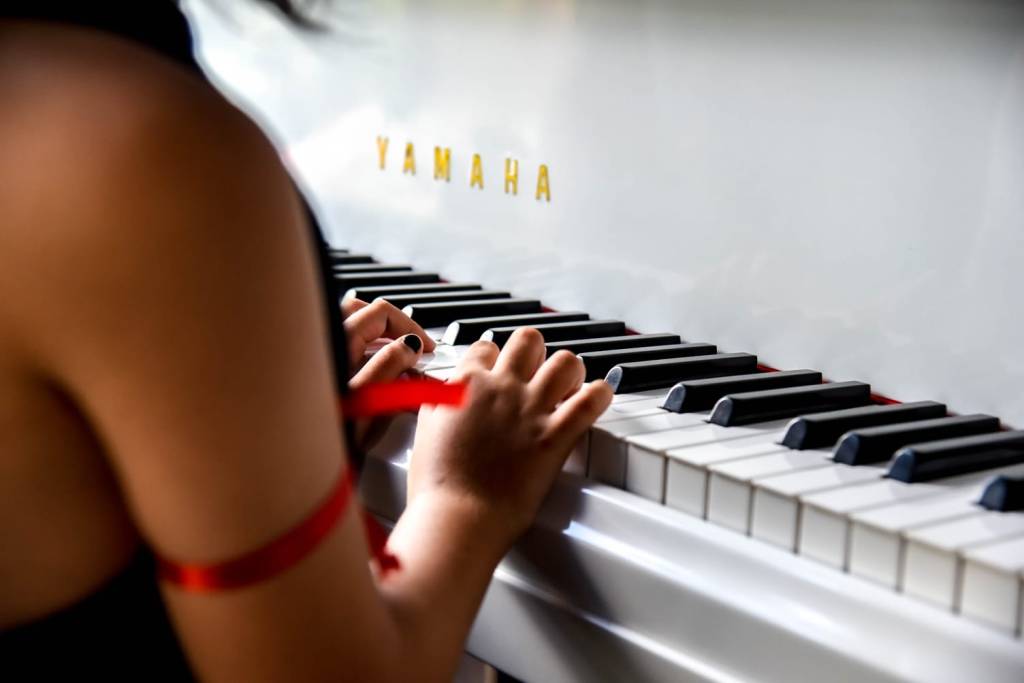
Pianos are widely available instruments, often found in schools, community centers, and homes. Their accessibility makes it easier for children to have exposure to and access to piano instruction.

Versatility
The piano is a versatile instrument that can be used to play various musical genres, from classical to jazz, pop, and more. Its wide range and ability to play melodies, harmonies, and accompaniments make it suitable for diverse musical exploration.
Visual Representation
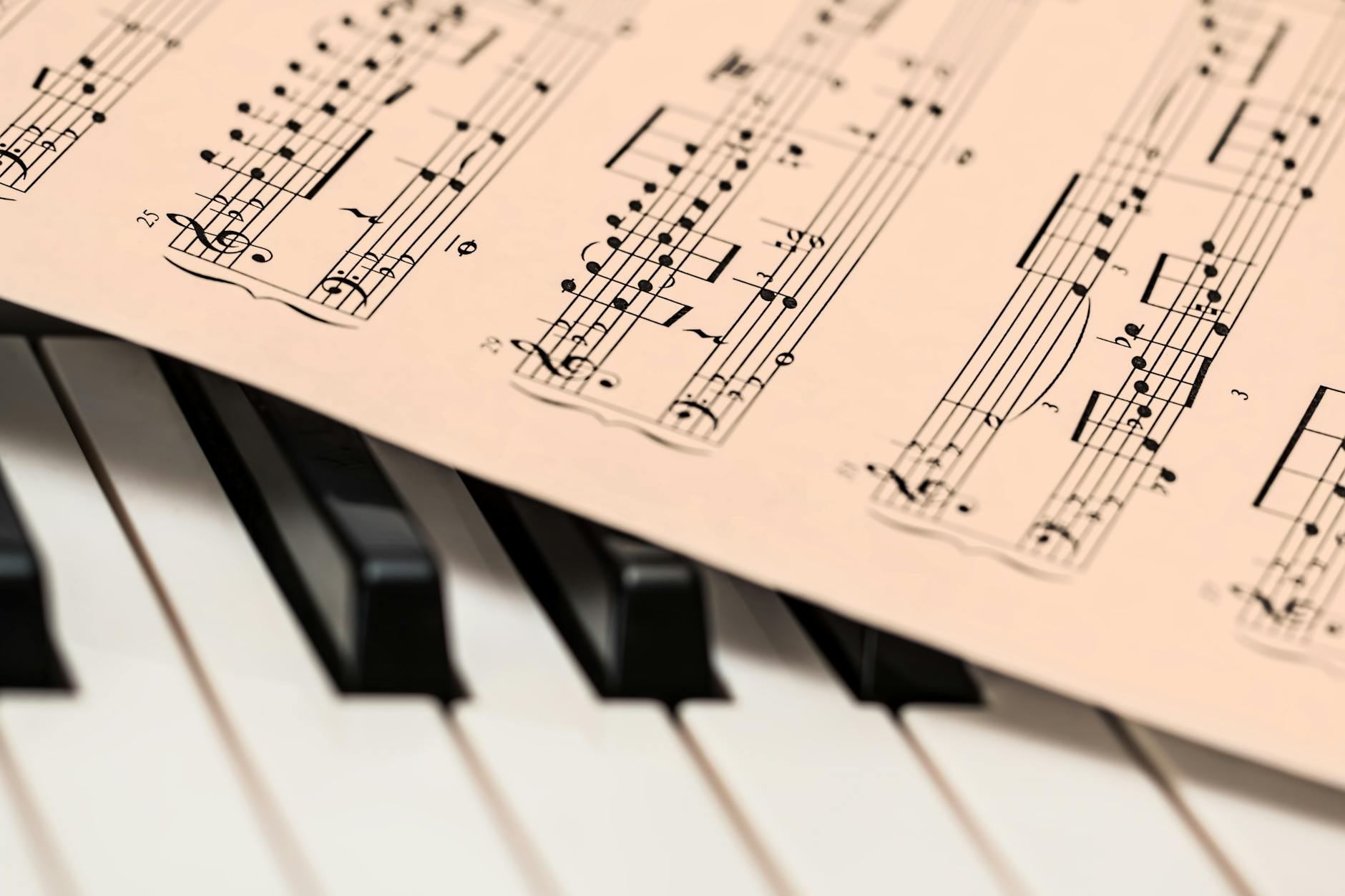
The piano’s keyboard layout provides a visual representation of musical notes, making it easier for beginners to grasp musical concepts, understand music theory, and develop a solid foundation for future musical endeavours.
Fundamental Music Theory
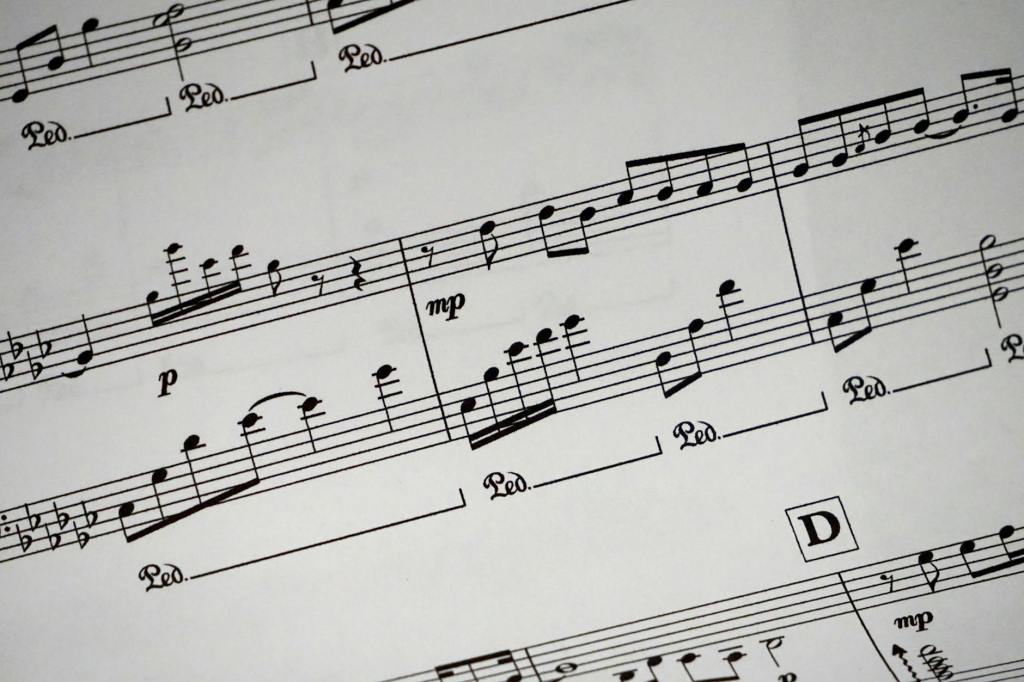
Learning the piano can provide a strong foundation in music theory due to its layout and the requirement to read both treble and bass clefs simultaneously. This knowledge can be transferable to other instruments and support a child’s overall musical understanding.
Polyphonic Nature
The piano allows for the simultaneous playing of multiple notes, making it ideal for learning harmony, chords, and developing a sense of musical structure. This polyphonic nature contributes to a child’s overall musicianship.

Discover a world of music with Piano
Parents and educators should encourage children to explore a variety of instruments, consider their individual strengths and interests, and choose an instrument that resonates with them.
The most important factor is that children have the opportunity to engage with music, regardless of the instrument they choose, as it can bring them joy, enhance their cognitive abilities, and foster their overall development. Polyphonic nature refers to the ability of an instrument or musical composition to produce or accommodate multiple simultaneous melodies or voices. In music, polyphony refers to the combination of two or more independent melodic lines that interweave harmonically.
Here are some key points to understand about the polyphonic nature of music:
Multiple Melodies
In polyphonic music, there are multiple melodic lines or voices that can be played or sung simultaneously. Each melodic line has its own unique rhythm, pitch, and contour, creating a harmonious interplay of melodies.
Independence of Melodies:
In polyphony, the melodic lines are independent and can have distinct melodic shapes, intervals, and rhythms. Each voice can carry its own melodic expression, creating complexity and richness in the overall musical texture.
Harmonic Interaction:
The simultaneous melodic lines in polyphony often interact harmonically, meaning they create pleasing combinations of sounds and harmonies when played together. The voices can harmonize, create counterpoint, or engage in melodic dialogue.
Contrapuntal Techniques:
Polyphonic music employs contrapuntal techniques, such as imitation, canon, fugue, or counterpoint, which involve the interweaving of melodic lines in a structured and intentional manner. These techniques contribute to the intricate and layered texture of the music.
Historical Significance:
Polyphony has a long history and has been a prominent feature in Western classical music since the Renaissance period. Composers like Johann Sebastian Bach, Wolfgang Amadeus Mozart, and Ludwig van Beethoven used polyphony extensively in their compositions.
Examples of Polyphonic Instruments:
While many instruments can perform polyphonic music, some instruments are particularly well-suited to showcase this aspect. The piano, organ, harpsichord, and guitar, for example, can play multiple notes or voices simultaneously, allowing for rich harmonies and complex interplay between melodies.
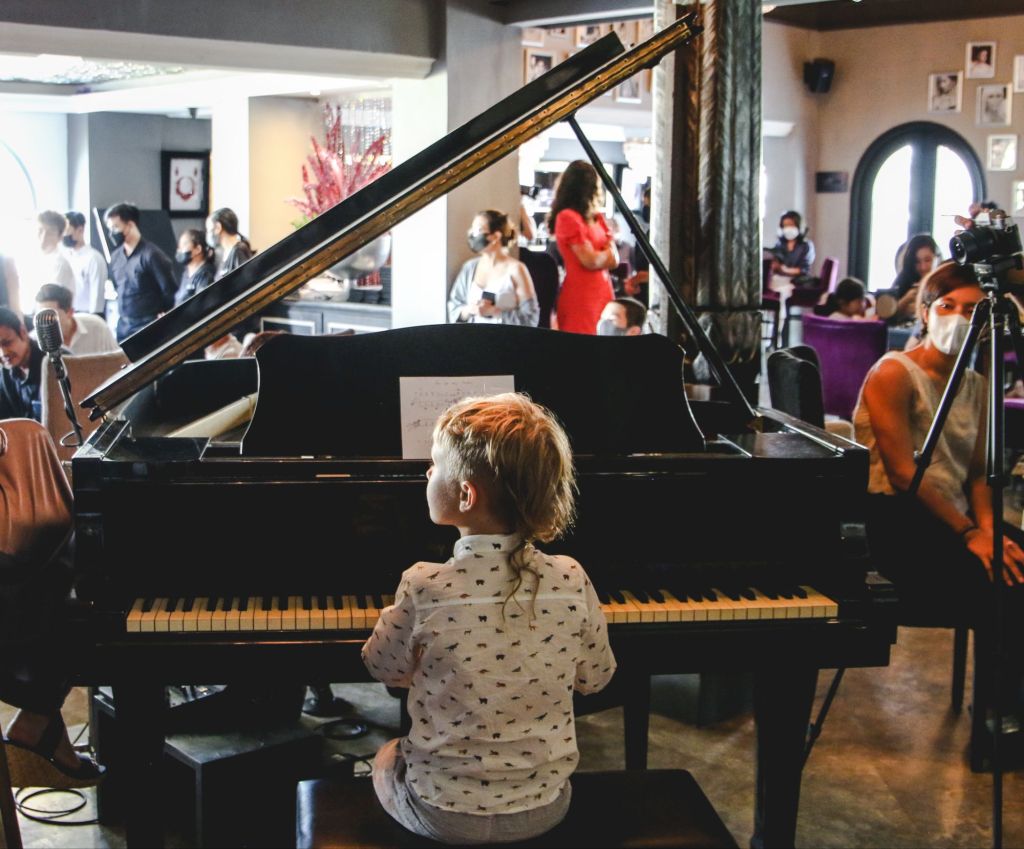

Understanding the polyphonic nature of music can deepen one’s appreciation for the complexity and beauty of harmonically layered compositions. It allows for the exploration of different melodic lines and the appreciation of how they interact to create a cohesive musical whole.
Discover the Perfect Piano Class at Apoidea Music Centre!
Embark on a musical journey like no other with our diverse piano classes tailored to meet the unique needs of learners of all ages and abilities. At Apoidea Music Centre, we believe that music is a powerful tool for growth, development, and self-expression. That’s why we’re thrilled to offer a range of engaging piano classes designed to inspire and ignite a lifelong love for music.
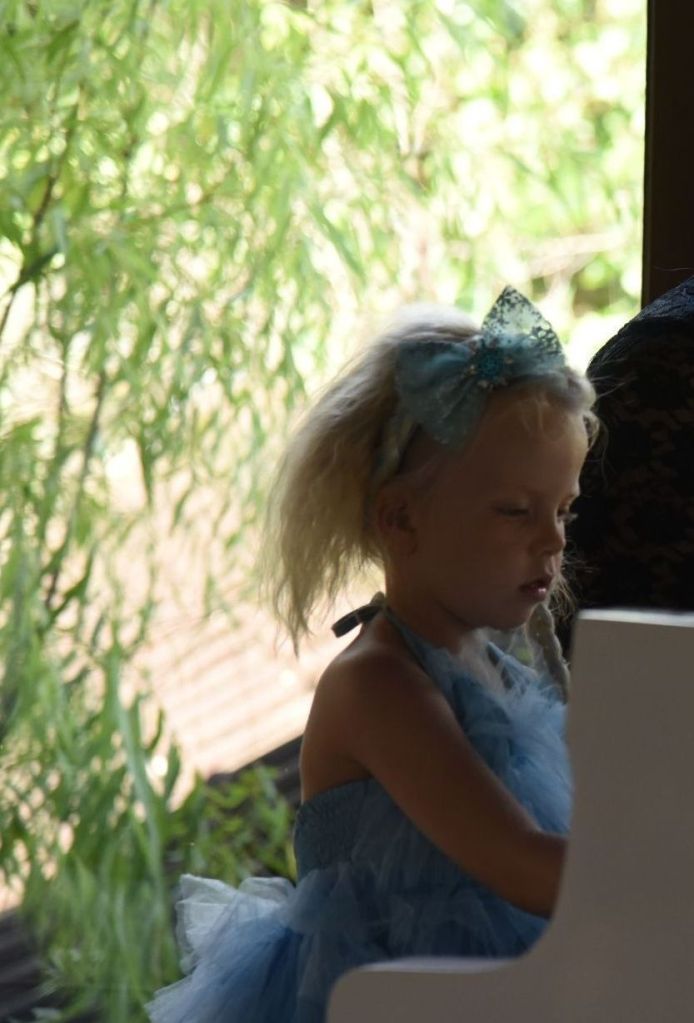
Toddler Class
(Ages 3-4.5)
Introduce your little one to the enchanting world of music with our Toddler Class! Designed specifically for budding musicians aged 3 to 4.5 years old, this class provides a playful and nurturing environment where children can explore rhythm, melody, and basic piano techniques. Through interactive activities and creative games, our experienced instructors will foster a love for music while laying a strong foundation for future musical endeavors.

Preparation Class
(Ages 5 – 17)
Take the next step in your musical journey with our Preparation Class! Geared towards students aged 5 and above, this class offers a comprehensive curriculum that covers fundamental piano skills, music theory, sight-reading, and performance techniques. Whether you’re a beginner or have some prior experience, our dedicated instructors will guide you on a path of musical discovery, helping you develop confidence and proficiency at the piano. All our lessons are based on an international curriculum to ensure a well-rounded musical education.

Adult Class
(Ages 17 and above)
Experience the joy of music with our unique Adult Class program at Apoidea Music Centre! Tailored for adult learners aged 17 and above, our fun and dynamic curriculum blend international standards with innovative teaching methods. Whether you’re a complete novice or looking to refine your skills, our instructors will inspire you to reach your full potential while enjoying the journey. Join a vibrant community of adult learners and explore the world of music in a supportive and encouraging environment.
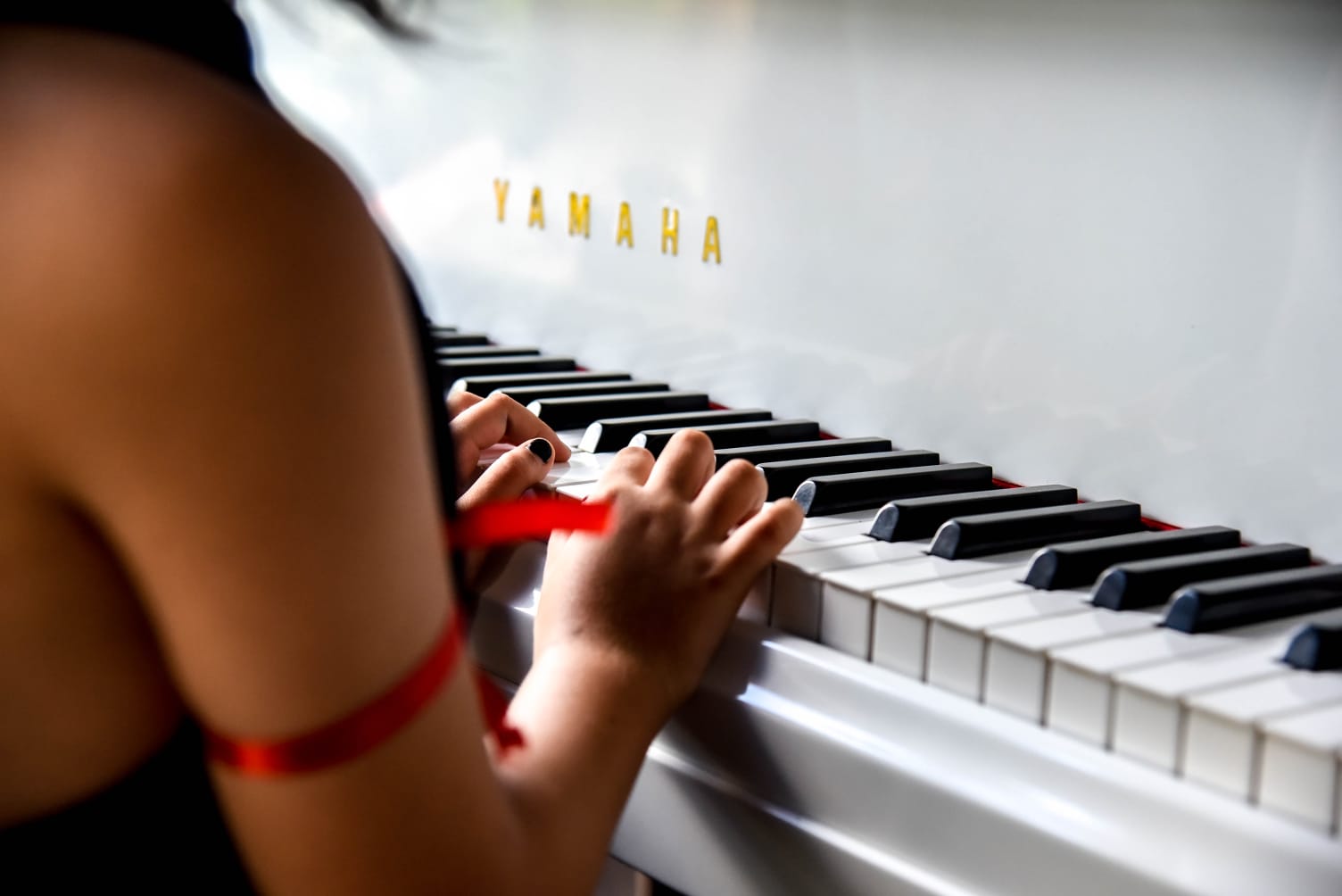
Piano for Special Needs Kids or Adults
At Apoidea Music Centre, we believe that music is for everyone, including individuals with special needs. Our Piano for Special Needs program offers a unique approach to music education, using innovative methods and engaging activities to promote therapeutic benefits and enhance brain development. Whether you’re a child or an adult, our compassionate instructors are committed to creating a supportive and inclusive learning environment where everyone can thrive and experience the joy of making music. All our lessons are based on an international curriculum to ensure a well-rounded musical education.
Still have questions?
We are happy to answer any questions you may have!
 Apoidea Music Collective